
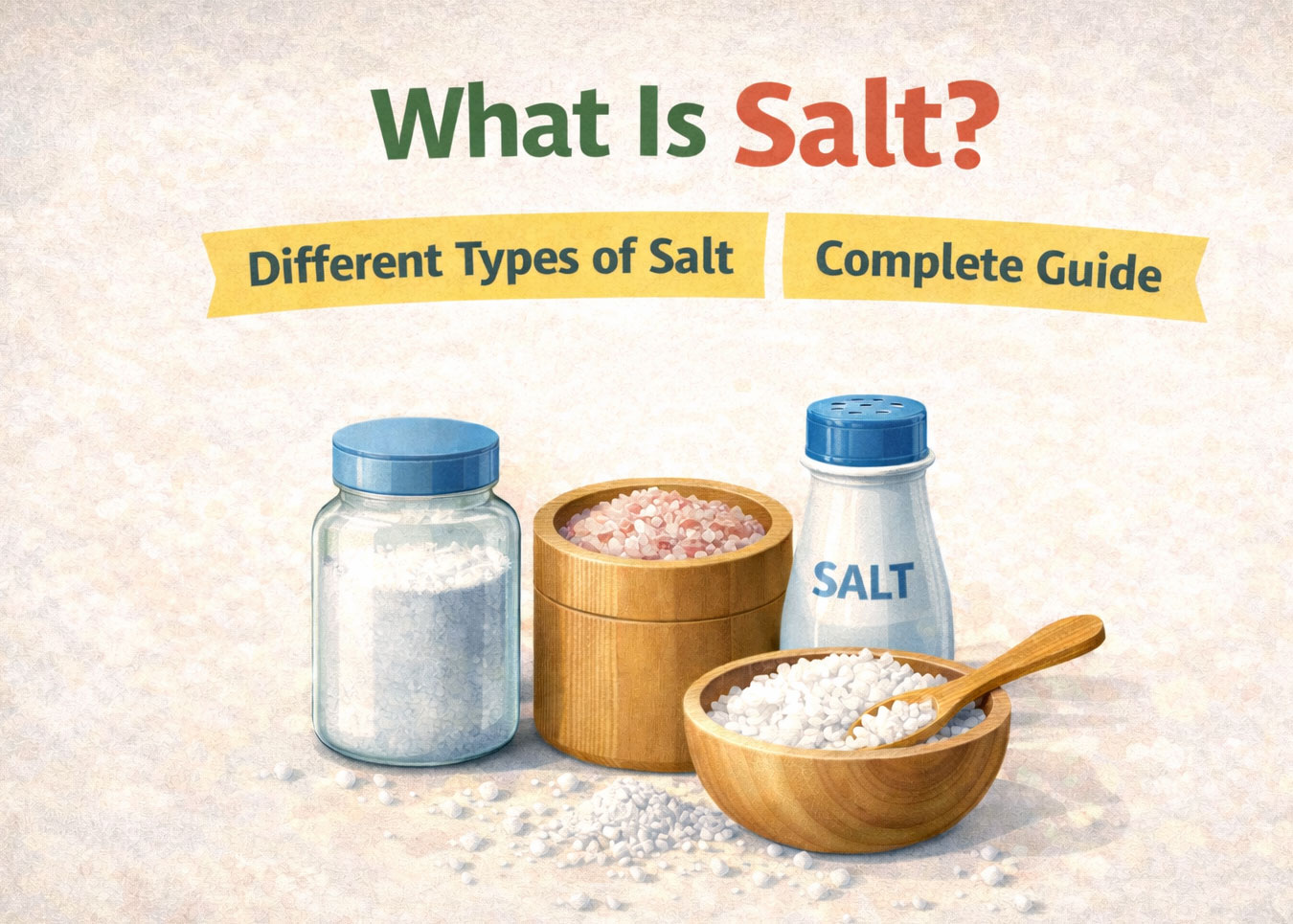
What Is Salt (Namak)?
Salt, also known as नमक (Namak) in Hindi, is one of the most essential ingredients in every kitchen. Salt is made of sodium and chloride, two natural minerals that combine to form sodium chloride (NaCl). While salt is commonly used as a flavoring agent, consuming the right amount of salt plays a vital role in maintaining good health.
Salt plays a role in fluid balance, nerve signaling, and muscle function when consumed in appropriate amounts. However, excessive intake of salt may lead to health risks such as high blood pressure and heart-related issues.
Why Salt Is Important for Health
- Maintains electrolyte balance in the body
- Supports nerve signal transmission
- Helps muscles function properly
- Plays a role in maintaining blood pressure
- Enhances taste and food preservation
Types of Salt Available in the Market
1. Iodized Salt
Iodized salt contains added iodine, which helps prevent iodine deficiency disorders such as goiter. It is the most commonly used salt for daily cooking.
2. Low Sodium Salt
Low sodium salt is formulated by reducing sodium content and replacing it with potassium. It is suitable for people managing blood pressure under medical advice.
3. Rock Salt (Sendha Namak)
Rock salt is a natural, unrefined salt often used during fasting. It contains trace minerals and is considered easier to digest.
4. Sea Salt
Sea salt is obtained by evaporating seawater and contains natural minerals. It is less processed compared to refined table salt.
5. Pink Salt
Pink salt is a mineral-rich salt known for its natural pink color. It is often used as a healthier alternative in moderation.
6. Crystal Salt
Crystal salt is traditionally used in Indian cooking and religious preparations. It has a coarse texture and mild taste.
Salt Selection:
Choose the right salt based on your need:
- Daily cooking → Iodized Salt
- Blood pressure management → Low Sodium Salt
- Fasting & traditional dishes → Rock / Crystal Salt
- Mineral-rich alternative → Sea Salt / Pink Salt
Comparison Table: Types of Salt
| Type of Salt | Main Feature | Best Used For |
|---|---|---|
| Iodized Salt | Added iodine | Daily cooking |
| Low Sodium Salt | Reduced sodium | Health-conscious diets |
| Rock Salt | Unrefined & natural | Fasting & digestion |
| Sea Salt | Mineral-rich | Gourmet cooking |
| Pink Salt | Natural trace minerals | Alternative seasoning |
| Crystal Salt | Traditional texture | Indian recipes |
Things to Remember While Using Salt
- Always consume salt in moderation
- Prefer iodized salt for daily meals
- Avoid excessive intake of processed foods
- Consult a doctor before switching to low sodium salt
- Store salt in a dry and airtight container
Salt Products You May Like: Choose Based on Your Needs:
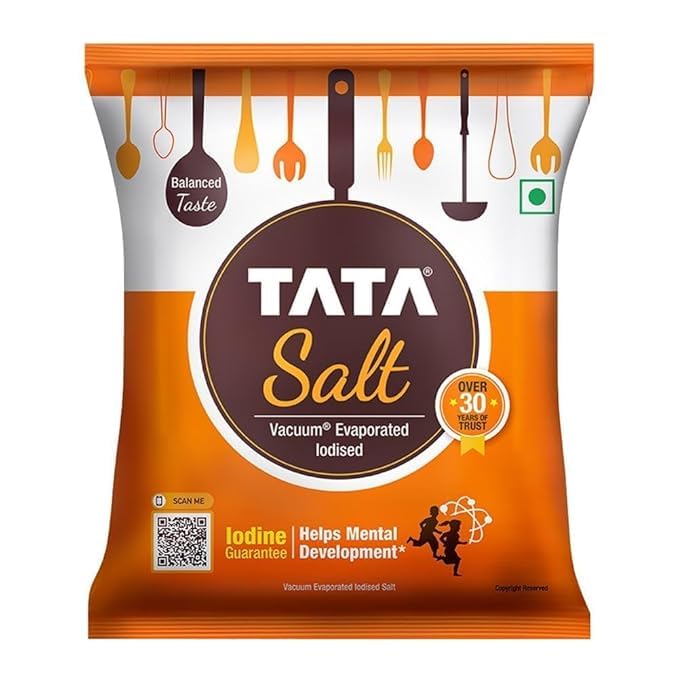
1. TATA Salt Vacuum Evaporated Iodised Namak – 1 Kg
Vacuum evaporated iodised salt suitable for daily cooking and balanced iodine intake.
View Product
2. Aashirvaad Salt with 4-Step Advantage – 1 Kg
Processed through a 4-step refining method to ensure purity and consistency.
View Product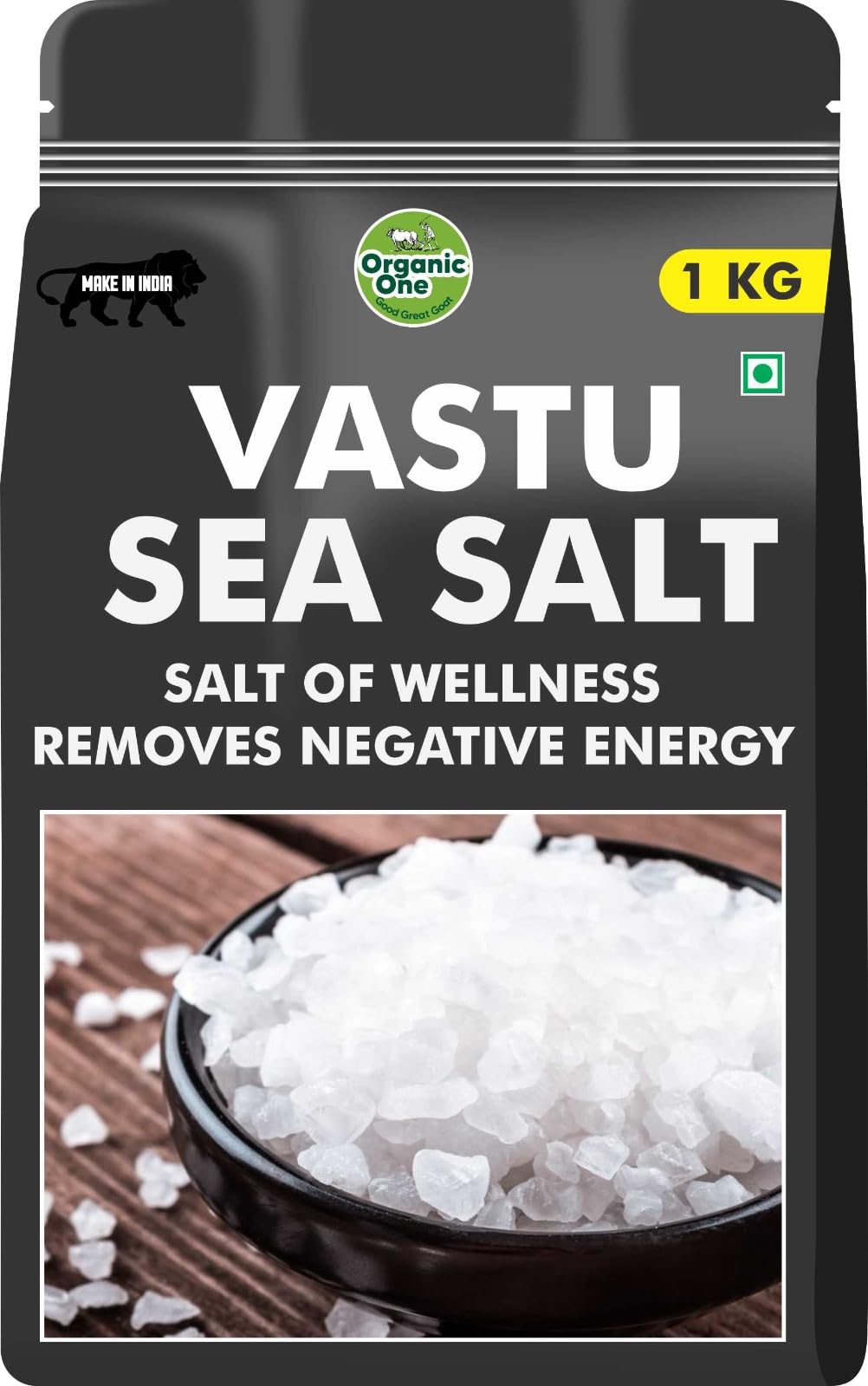
3. Vastu Sea Salt – 1 Kg
Natural sea salt often used for wellness and household purposes.
View Product
4. Keya Arabian Sea Salt – 1 Kg
Unrefined sea salt rich in minerals and suitable as an alternative to regular salt.
View Product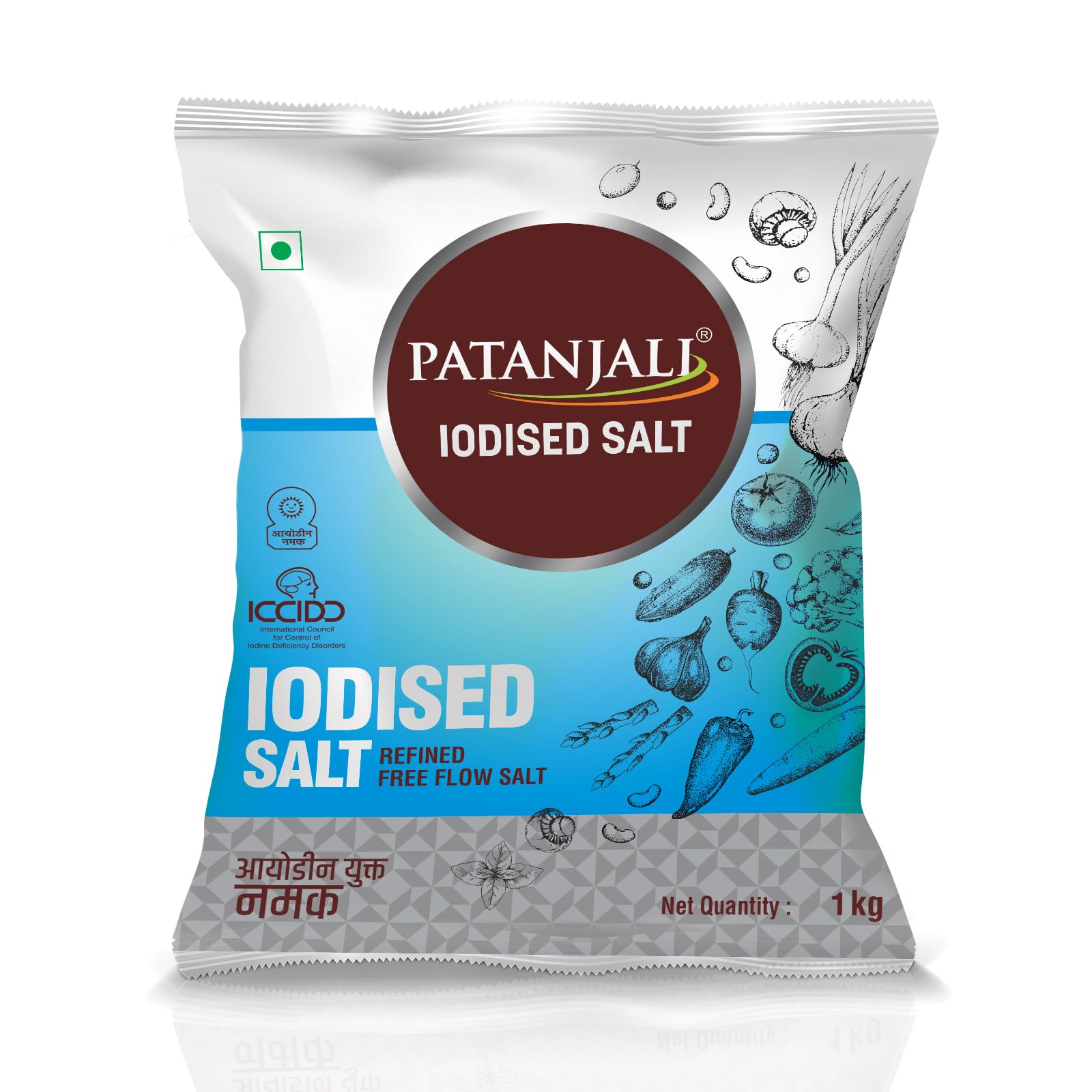
5. Patanjali Iodized Namak – 1 Kg
Pure iodized salt designed for everyday household use.
View Product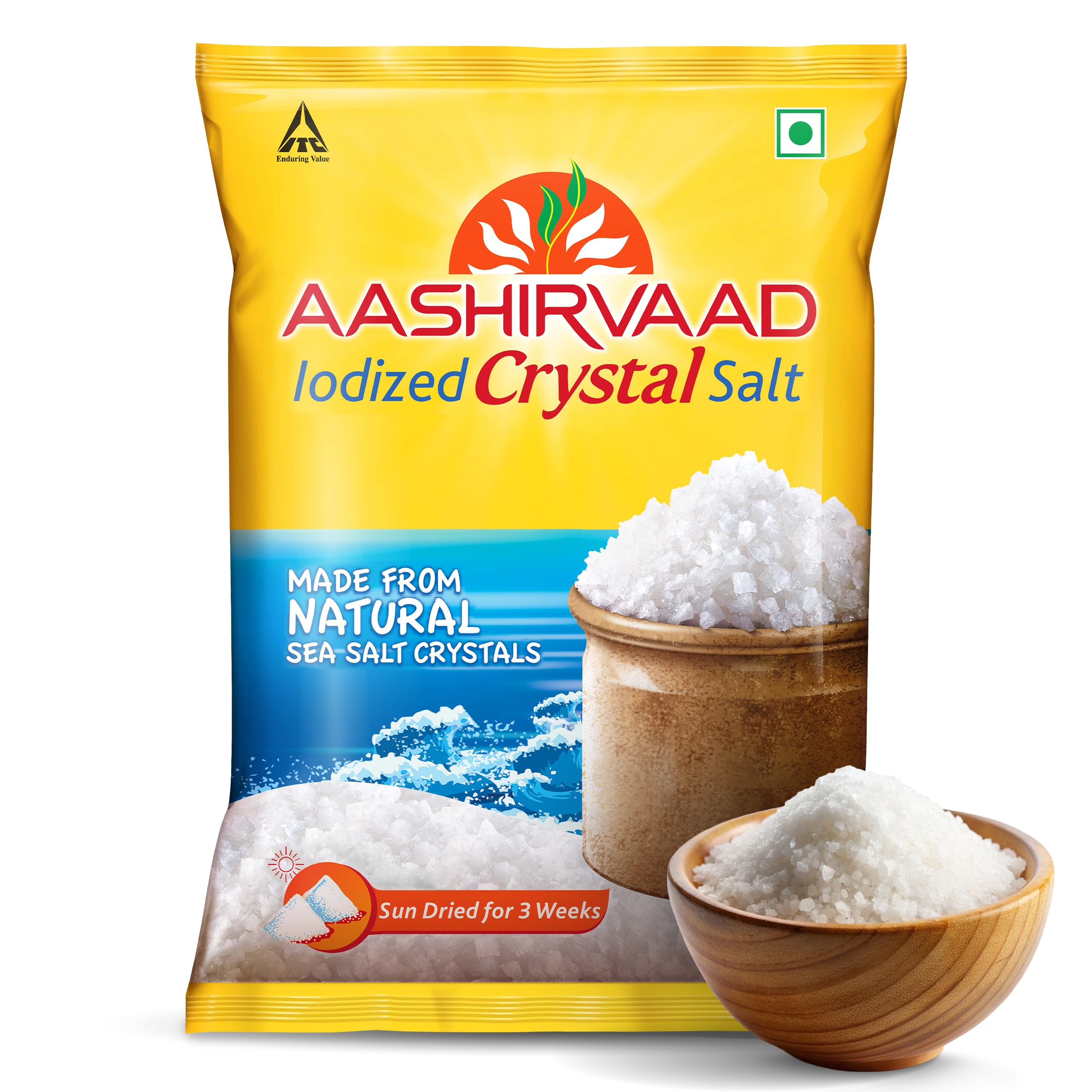
6. Aashirvaad Iodized Crystal Salt – 1 Kg
Authentic crystal salt ideal for traditional Indian dishes.
View Product
7. Catch Sprinklers Iodized Table Salt – 200 g
Convenient sprinkle-format iodized salt for dining table use.
View ProductSummary
Salt is a daily kitchen essential that directly impacts taste and health. Understanding different types of salt and using them wisely can help you maintain a balanced diet while enhancing your cooking experience. Always choose the salt that best suits your dietary needs and lifestyle.